
Personal Boundaries and Physical Tension
How chronic overcommitment, conflict vigilance, and difficulty saying no may contribute to overload—without turning tension into a symbolic diagnosis.
Jump to a section
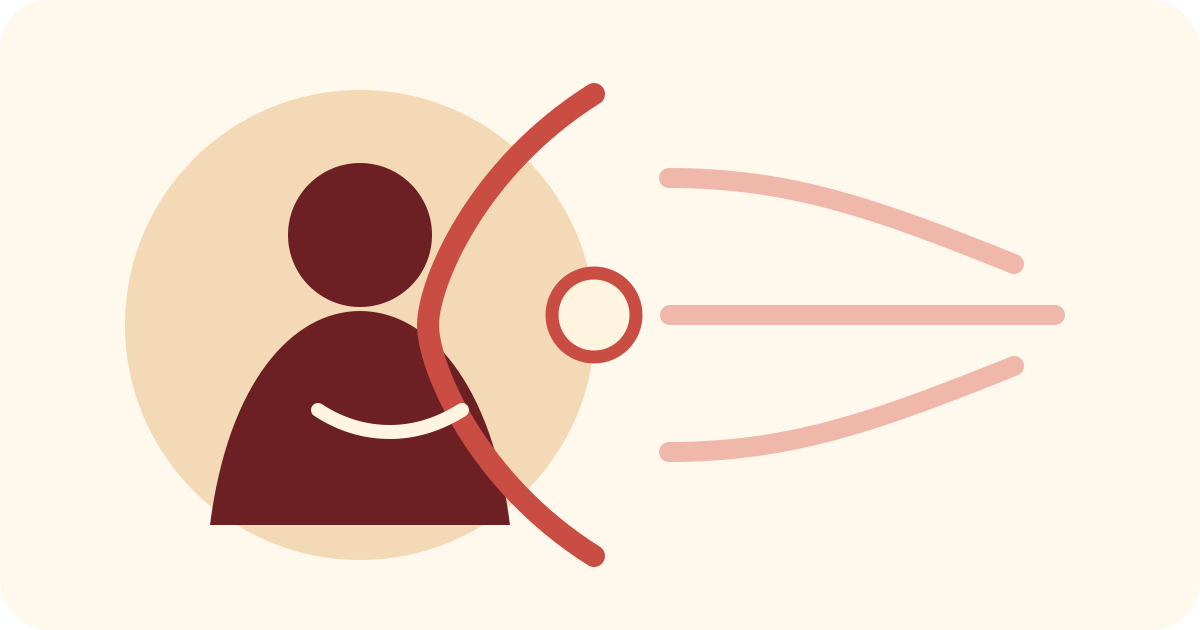
A boundary is information about what you can take on, what treatment is acceptable, and what you need to stay safe and functional. Boundaries can involve time, work, privacy, touch, money, communication, caregiving, and responsibility.
During pressure or conflict, you may notice raised shoulders, a tight jaw, quicker breathing, or attention fixed on another person’s mood. Stress can involve muscle tension, but these observations do not establish why a symptom is happening or whether it is medically safe. Contact a health professional about new, unusual, persistent, worsening, or concerning symptoms.
Why saying no can feel dangerous
- Past punishment or rejection after setting limits.
- Fear of losing a relationship or job.
- Belief that a good person always helps.
- Automatic agreement before checking capacity.
- Feeling responsible for another adult’s emotions.
- Real power differences, financial dependence, or threat.
Anger as information
Anger can signal unfairness, obstruction, or a crossed limit. It does not require aggression. A useful question is: What needs protection, change, or negotiation? Then choose an action you control rather than trying to control the other person’s reaction.
Pause before committing
- Use a holding phrase: “Let me check my schedule and get back to you.”
- Name the request and the actual deadline. Separate what was asked from what you predict will happen if you decline.
- Notice the jaw, throat, stomach, or shoulders without scanning for proof or forcing relaxation.
- Check time, energy, willingness, responsibility, and any real power or safety difference.
- Choose yes, no, partly, another time, or a question that needs answering first.
- State the answer briefly: “I cannot do Friday; I can send the notes on Monday.”
- Choose a follow-through you control if pressure continues, such as ending the call, repeating the answer once, documenting the request, or asking for support.
- Set a review point: after the next reply, at the end of the workday, or with a trusted person.
For example, a colleague asks for weekend work when you already have a full schedule. You might pause, check whether the request is optional and whether there is a real consequence, then answer: “I cannot take the weekend shift. I can review the handover Monday morning.” Work-life boundaries can reduce work-life conflict, but the right response still depends on the role, agreement and power difference.
Review what happens next
Do not use immediate relief as the only measure of a good boundary. Guilt may remain even when the answer is proportionate. Review observable information instead: Was the request clear? Did you offer what you could actually do? Was the reply respected, negotiated, ignored, or punished? That response can guide the next action—restate once, change your availability, document a work request, seek advice, or step back where it is safe to do so.
Safety comes before directness
In abusive or coercive relationships, direct confrontation can increase danger. A safer boundary may be distance, confidential communication, stored documents, a trusted support person, local specialist or legal help, or an individualized safety plan. Choose steps that fit your situation and do not disclose a safety plan to the person causing harm.
Key takeaways
- Use body tension as a cue to pause, not as proof of a cause or decision.
- A boundary includes both a clear answer and an action you control.
- Guilt after saying no does not automatically mean the limit is wrong.
- Review the response and the real power difference, not only whether tension disappeared.
- Unsafe relationships require individualized safety planning, not a communication experiment.
Sources and references
- Stress — NHS
Muscle tension as one possible stress symptom, practical support, and when to ask for professional help. This does not identify the cause of an individual symptom.
- Stress and your health — MedlinePlus, U.S. National Library of Medicine
Stress-related muscle tension and advice to contact a health professional about new or unusual symptoms. A symptom pattern is not a diagnosis.
- Coping with stress at work — American Psychological Association
Work-life boundaries, clarifying expectations, recovery and support in a workplace context. The article’s example does not create employment or legal advice.
- How to plan for your safety if you are in an abusive relationship — Government of Canada
Individualized safety planning, trusted support, documents, safe exits and avoiding confrontation. Readers should use local emergency and specialist services.
Turn one request into a boundary you can review
| Signal | What to check | Next step |
|---|---|---|
| A request arrives before you checked capacity | What is being asked, by when, and is the answer required now? | Use a holding phrase and name when you will answer. |
| You can help only partly | What can you realistically offer without hiding the limit? | State the limit and the available part in one brief answer. |
| The same limit is ignored | Was the request misunderstood, negotiated, pressured, or punished? | Repeat once or choose an action you control; document or seek support when useful. |
| Directness could increase danger | Is there coercion, surveillance, financial dependence, violence, or a credible threat? | Prioritize an individualized safety plan and local specialist help over confrontation. |
Frequently asked questions
Does guilt mean my boundary was unfair?
Not by itself. Guilt can appear when you change an old pattern. Review the actual request, your agreement and capacity, the effect on others, and whether your response was proportionate and safe.
What can I do if someone ignores my boundary?
Choose a next action you control: repeat the answer once, reduce availability, document a work request, ask for support, or step back where it is safe. If pressure is coercive or dangerous, use an individualized safety plan and local specialist services rather than a confrontation experiment.
Guide history
- Published
- July 31, 2026
- Updated
- October 30, 2026
Related guides
How Stress Affects the Body: Nervous System, Symptoms, and Recovery
How stress changes heart rate, muscle tension, digestion, sleep, and energy—and how to separate safe recovery steps from symptoms that need medical care.
Read article
A Support Plan for Body and Emotions: Where to Start
A seven-step plan for medical safety, symptom tracking, nervous-system support, psychological care, and ongoing review.
Read article
Pain, Emotions, and the Nervous System: Why Pain Is Always Real
How the nervous system turns protective information into real pain, why pain and tissue damage do not always match, and when to seek care.
Read article